After School Success Stories from Condition 1 Combat Center
Families do not enroll in after school martial arts because it sounds nice on a brochure. They enroll because a child is coming home wired and unfocused, because grades wobbled after soccer season, because screens swallowed the evening. At Condition 1 Combat Center in Spring, Texas, our after school program grew from those real needs. It is part skill training, part structure, part community. When it works, it changes more than a roundhouse kick. It reshapes afternoons, sleep, and confidence.
The stories below are composite portraits, built from patterns our coaching staff has seen in hundreds of kids across multiple school years. Details vary by family, but the arc repeats often enough that parents recognize it on day one of pickup. Martial arts has a way of turning big goals into small, repeatable wins.
What a good after school session actually looks like
On a typical weekday, vans roll in around 3:15. Kids come through the door with the day still buzzing around them. Shoes off, bags on the shelf, quick check for homework, then a warm up that fits the day’s plan. Classes are grouped by age and experience, with a https://rafaelvsja984.westhavenscope.com/posts/condition-1-fitness-best-martial-arts-classes-near-me-in-spring-tx beginner lane alongside more advanced drills. No one sits idle. Coaches move, cue, and scale.
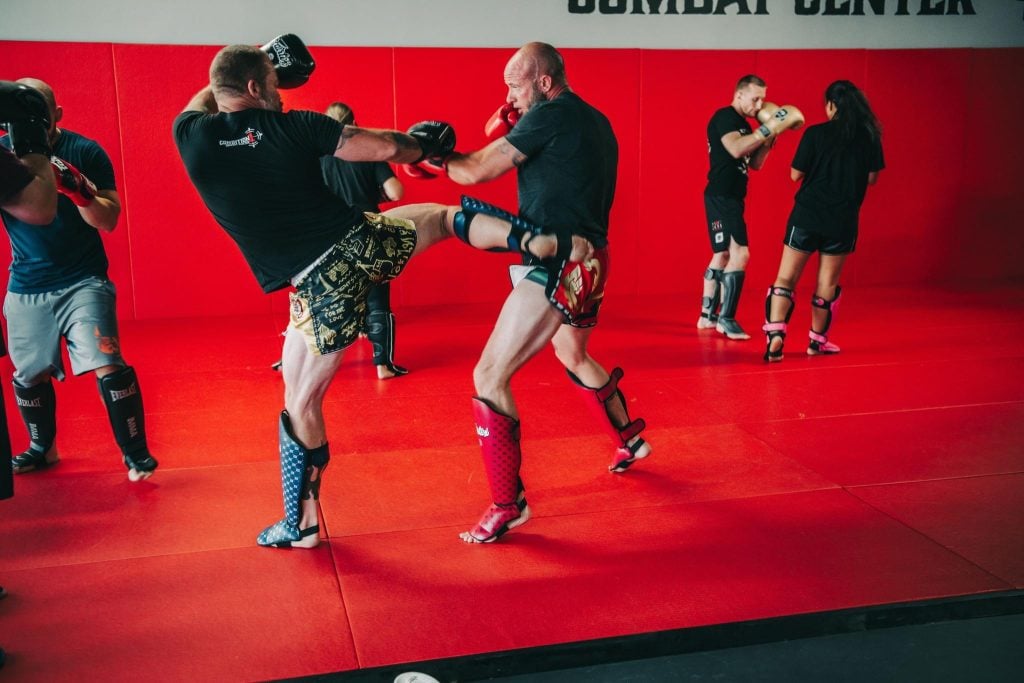
Condition 1 blends striking fundamentals with movement patterns that kids can own at pace: footwork ladders to settle the nervous system, mitt work to teach timing, technical rounds for precision, and live decision drills to build composure. We treat respect and self control as skills, not slogans. They are taught the same way we teach a jab, with cues you can repeat and measure.
Parents often ask about homework. We maintain a quiet station with clear time limits. Ten to 20 minutes for younger kids, 25 to 35 for older students, enough to start momentum without burning out. The point is not to turn a gym into a library. The point is to make evenings calmer, with one less battle to fight at the kitchen table.
The shy second grader who found a voice under the mitts
When Mia first arrived, she barely spoke above a whisper. New environments were hard, and group sports felt like too much noise. On day one, we paired her with a coach for pads and focused on a single rule: eyes on target. Eye contact is a quiet hinge. You can build a lot on it. By week two, we handed her a simple job. She became the line leader for shadowboxing, a role that sounds small until you watch an anxious child mind her spacing and set the pace for others.
The outward changes were gentle. She started answering roll call with a full sentence. She learned to kiai with the rest of the class, a voice anchored to breath instead of nerves. At home, her parents reported smoother transitions at bedtime. Nothing magic happened. Structure did. When kids know what happens next, they relax into effort.
This is where martial arts beats a general fitness class. The bow onto the mat is a cue to reset. The belt system, whether white or a color stripe for progress, makes effort visible. For kids like Mia, that visibility matters more than medal counts ever could.
The middle schooler who traded chaos for a training journal
Marcus came to us just after sixth grade started. He loved energy drinks, hated his planner, and wore his backpack like a parachute. His teachers used phrases like “smart but scattered.” We met him where he was. In class, he could move. Between rounds, we had a rule. If you cannot find your mouthguard without emptying your bag on the mat, you owe yourself ten seconds of box breathing. Inhale to four, hold to two, exhale to six. Gear management became a drill, not a lecture.
We also gave him a small notebook and asked him to write one line after training. Not a diary, just this: What drill felt hardest, and what would you try first next time. He wrote things like “check left hand when slipping” and “start strong.” After a month, he had a dozen tiny adjustments that he owned, not a wall of feedback that washed over him.
At school, his planner changed. He started making one bullet per class, packed his PE clothes the night before, and put his phone in the kitchen at 9 p.m. Did martial arts do all of that? No. But the culture of Condition 1 rewards self direction. You cannot outsource your guard. Marcus stopped outsourcing his day.
Siblings who bickered less and learned to practice together
Siblings bring tension with them. That tension can ruin a class if you let it. Or it can be the raw material for teamwork. When Abby and Jake signed up, they were experts at taking each other’s space. We set ground rules, then used partner drills that require cooperation to get a rep. For example, a controlled clinch escape where the partner’s job is to give just enough resistance to feel real, not so much that it becomes a wrestling match. We explained the roles out loud, then swapped quickly.
You can hear progress in the way siblings correct each other. At first, it is sharp. Later, it becomes specific. “Move your feet” turns into “lead foot outside.” Parents told us arguments at home started ending faster. The skill was not politeness. The skill was feedback. When you practice giving it and taking it on the mat, it leaks into everything else.
Family schedules also benefit from a single pickup. Condition 1 offers kids martial arts classes in the late afternoon and family sessions in the early evening, a setup that keeps siblings training while parents work out nearby. It is not unusual to see a mom on the bag line while her kids are hitting technical rounds one mat over. When families train near each other, attendance climbs. The week takes on a rhythm that supports the goal.
Newcomer, new language, new confidence
Spring, TX welcomes families from all over. We meet kids who are new to the country and still decoding hallways, accents, even locker combinations. Martial arts is a gift in that situation. The movement is clear. A coach can show posture and grip without a long speech. Signals are universal. A glove tap before rounds means the same thing in every language.
One fifth grader we will call Leo started in September. He spoke little English, but he could mirror a stance and copy a step-and-pivot by watching the coach’s hips. In a month, he had a circle of training partners who learned a couple of words in his first language and taught him a phrase or two in English. The mat became a place to belong. At school, recess stopped feeling like an obstacle course. His teacher told his family that he raised his hand for the first time in October.
A lot of parents search for “martial arts classes near me” and worry about the vibe. Will my child be yelled at or praised? Will tough kids dominate? You can feel the tone of a room in five minutes. A good gym hums with focus, not ego. If you walk into Condition 1 and see a coach crouched to meet a child’s eyes, gloves up and smiling, you are in the right place.
How physical skill turns into academic stamina
Parents often leap to grades when they think about outcomes. Grades do matter. But the pathway from a clean jab to a clean report card is not straight. It runs through sleep, nutrition, and regulation. Hard training after school raises body temperature and then helps it drop in the early evening, a pattern that supports deeper sleep. Better sleep sharpens attention in class. A healthier snack at 4 p.m. Prevents a blood sugar crash at 5:30 that can make homework a minefield.
Kids who train three to four days per week tend to show two early gains that teachers notice. They sit a little taller, and they move between tasks without a fight. On the mat, we start and stop dozens of times per hour. That on-off rhythm trains the brain to shift gears. You cannot see executive function on a medal rack, but you can hear it when a child says, “Coach, can we do one more round to fix my guard?”
We also do not hide the struggle. Some kids make a leap in month one, then hit a plateau in month three. A good program names that plateau, normalizes it, and shows a way through. The biggest gift martial arts gives a student is not a belt. It is the ability to persist when the next step is not obvious.
What parents report in the first eight weeks
- Calmer evenings, thanks to a predictable after school block and a real physical outlet.
- More deliberate speech, because line drills and partner work reward clear, short cues.
- Better self management of gear and school materials, driven by routines for packing and checking.
- Respect that feels earned, not recited, shown in the way kids bow on and off the mat and take turns.
- A visible, shared language for effort at home, with kids explaining drills and parents recognizing progress.
Affordability, scheduling, and the quiet math of consistency
When a parent asks about “affordable martial arts classes,” they are not just asking for a price tag. They are asking if they can sustain a schedule over months. That quiet math includes drive time, sibling care, homework load, and whether weekends get swallowed by tournaments. Condition 1 is careful with that balance. We offer after school martial arts classes on weekdays, family and weekend martial arts classes for parents who travel, and private martial arts classes when a child needs extra attention to catch up or prep for testing.
We also encourage families to treat breaks strategically. If your child plays a spring sport, keep one to two martial arts sessions per week rather than stopping outright. Habits survive at lower volume. When the season ends, ramp back to three. The goal is to make martial arts the spine of your child’s movement life, not a fad.
For adults in the household, there is value in modeling. Parents who train even once a week give their kids a picture of long haul learning. Condition 1 Fitness classes in Spring TX run alongside martial arts, so a parent can lift or hit the conditioning floor while kids are on the mat. That combination keeps the whole family engaged, and it turns the drive into shared time rather than a shuttle service.
Safety and standards that actually hold up
Parents do not see all the guardrails we build, and that is by design. The structure should feel smooth, not fussy. But standards matter. At Condition 1 Combat Center, new students start with contact levels scaled to control. We prioritize stance, hands up, and foot position before speed. Striking rounds are timed to protect attention and technique, and we rotate partners to avoid overmatching. Rules about respect are not painted on a wall and forgotten. They are enforced in the way we start and end every round, the way we teach students to say thank you to a partner, and the way we intervene when energy spikes.
Cleanliness is part of safety. Mats are sanitized daily. Shared gear is cleaned and rotated. Kids are taught to manage their own gloves and mouthguards. It is not just about germs. Owning your gear is a lesson in responsibility that carries over to school binders and lunch boxes.
Coaches set the tone. We hire for patience, clarity, and presence. You can teach technique to a coach. You cannot teach them to care about a child’s day. That is either in the room or it is not.
When a beginner is not a beginner
Parents sometimes call to ask if their child belongs in beginners martial arts classes. If your child has played other sports, they are not starting from zero. Basketball footwork, dance posture, and even swimming breath control all feed into martial arts. The question is not whether a child is a beginner. The question is whether the class meets them with the right level of challenge and feedback.
We use simple markers. Can the student hold a stance for 20 seconds without fidgeting. Can they throw a straight punch and re-chamber. Can they hear a cue and apply it on the next rep. Those checkpoints place a child faster than a birthday ever will. In mixed level settings, the trick is to let new students shadow advanced patterns at a slower pace while giving veterans new layers that keep them honest.
For families searching “local martial arts classes” or “Condition 1 Fitness classes in Spring TX,” the right first step is a trial week. A trial shows how your child responds to the room, the coach, and the routine. It also lets you test the traffic, the pickup time, and the parking lot, details that matter more than a glossy flyer.
After school, then what
As kids move into high school, their needs shift. Homework expands, social life accelerates, and the window for training shrinks. Condition 1 adapts, not by lowering the bar but by narrowing the focus. Teen sessions trim skill blocks into sharper slices, then add higher intensity short rounds. We blend strength work that supports durability, with a bias for movement patterns that hold up under contact. Teens who stick with martial arts through junior and senior year often become the calmest adults in the room later, not because they never feel fear, but because they have rehearsed composure a thousand times.
Adult martial arts classes at Condition 1 are not an afterthought. They run before work, after dinner, and on weekends for those who cannot make weekdays. Parents who trained as teens slide back in quickly. Beginners who thought they missed their window find out the window is still open. The same values apply: train hard, respect the room, protect your partner, bring curiosity to every class.
What to look for when you tour a gym
- Coaches who can explain the why of a drill, not just the how.
- Kids moving more than they wait, with clear stations and short transitions.
- A plan for homework support that fits your child’s age and attention span.
- Clean mats, labeled gear bins, and routines that teach kids to manage their equipment.
- A schedule that you can keep for months, with options for family, private, and weekend sessions.
Measuring progress without getting lost in belts
Belts and stripes help, but they are not the whole story. We ask parents to watch three other signals. First, posture. Does your child walk into the room taller. Second, language. Do they use more precise words about effort and feedback. Third, recovery. When something goes wrong, how fast do they return to task. Those markers show up in school and at home. They are the thread that connects the mat to the rest of life.
For children who struggle with frustration, we teach an exit and reentry routine. Take two steps back from the line, breathe, shake your hands out, then return when ready. We do not use timeouts as punishment. We use short breaks as tools to preserve learning. Parents have told us they borrow the same routine for piano practice and math worksheets. That is the long tail of a good after school program. Skills migrate.
Joining the community
If you are weighing options for after school martial arts classes and want something more than a place to burn energy, visit Condition 1 Combat Center. Walk the mat. Watch a warm up. Ask a coach why a drill is in the plan. Check our schedule for kids sessions, family training, and Condition 1 Fitness classes in Spring TX. If you need a slower start, we offer private slots to build confidence before joining a group. If weekends suit your family better, our weekend martial arts classes keep momentum high without fighting weekday traffic.
Parents who search for “affordable martial arts classes” are right to think long term. Affordability is not only dollars. It is whether your child wants to come back, whether the program adapts as they grow, and whether it makes your week easier instead of harder. A strong community makes that possible. Kids greet each other by name. Coaches notice when someone is dragging and adjust. Parents share carpools when a sibling gets sick.
Condition 1 is not trying to be everything for everyone. We are trying to be the right place for families who value effort, respect, and growth. If that resonates, a trial week is an easy next step. You can learn more at condition1combat.com, call the desk for details on pickup zones and timing, and meet the people who will shape your child’s afternoons.
The success stories in this room are not shiny montages. They are small shifts repeated many times. A child packs her own bag. A teen logs his rounds and asks better questions. Siblings train without sparks flying. Parents find a routine that does not collapse under real life. That is what after school looks like when it works. It is not a performance. It is a practice. And it is how confidence compounds.